The Mechanics’ Institute, one of the oldest cultural institutions on the West Coast, is now home to a thrilling archive of LGBTQ+ children’s literature.
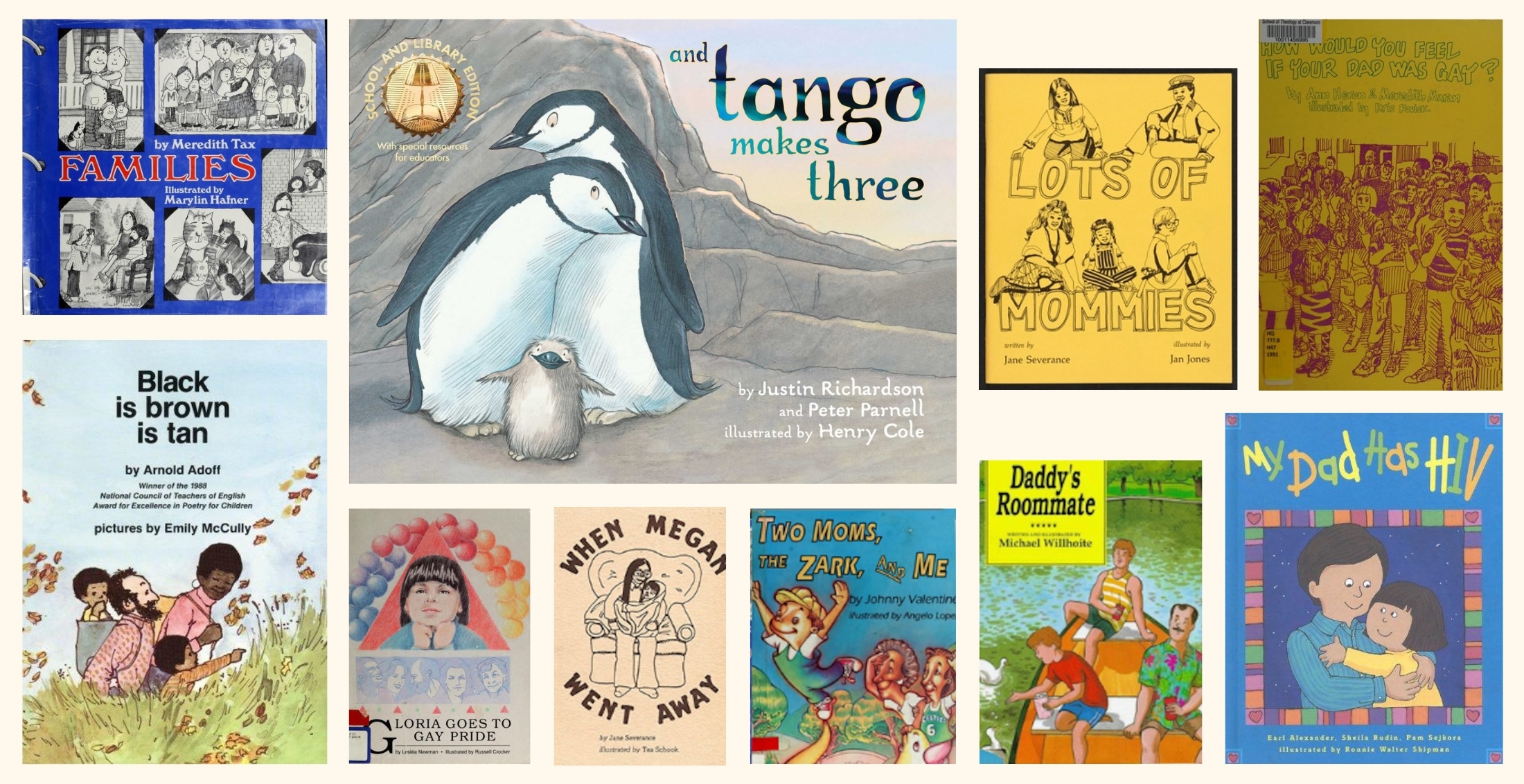
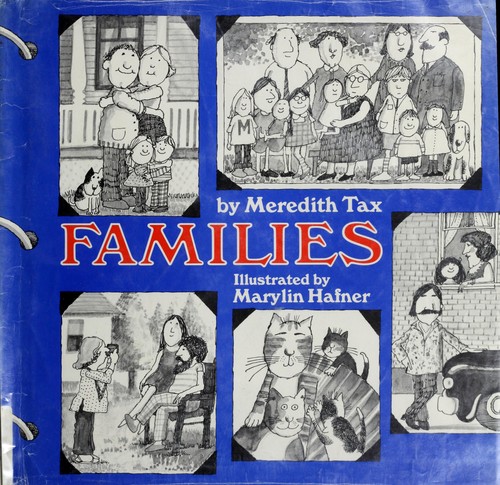
The Tarpey–Schwed LGBT Families Children’s Book Special Collection features more than 200 queer-friendly kids’ books published between 1969 and 2023. Titles like Heather Has Two Mommies and Lucy Goes to the Country show the evolution of queer representation in children’s literature over five decades, offering a rare opportunity for families and researchers alike.
I spoke with Myles Cooper, an archivist and library manager of the Mechanics’ Institute, about the acquisition’s significance. He told me the collection was donated at the end of 2025 by Randall Tarpey-Schwed, a well-respected collector and something of a tastemaker in the world of California letters.
A gay parent himself, Tarpey-Schwed started collecting the books to read to his own children.
Once his daughters were grown, Tarpey-Schwed sought a home for the archive. As a member-supported non-profit with deep roots in the state, the Institute felt like a natural fit.
And the feeling was mutual. Noting that San Francisco is home to a number of “wonderful historical archives and libraries” centering the queer experience, Cooper said that few resources have this focus.
“What I’ve found over the years is that—and rightfully so—a lot of the LGBTQ+ history really relates to adults,” he observed. Political histories centering the neighborhood’s experience of the HIV/AIDS crisis are well-represented in the archive. But the Tarpey-Schwed collection is groundbreaking because it expands on an underrepresented story: queer family-making.
Children’s literature featuring out queer characters is also a fairly recent development, as far as American publishing goes. According to Cooper, many of the early entries in the queer family canon were self-published, or published in small feminist presses—which makes them hard to find these days.
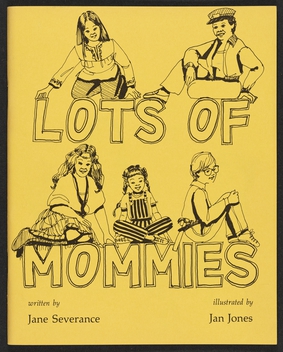
Consider a title like Jane Severance’s Lots of Mommies. According to archival description, this 1983 picture book from the feminist Lollipop Power press “documents feminist communal-family imagination” by showing “care, work, school recognition, and adult authority distributed across several women.”
In addition to stories like these, the new collection includes books that treat otherwise historically marginalized family structures as ordinary.
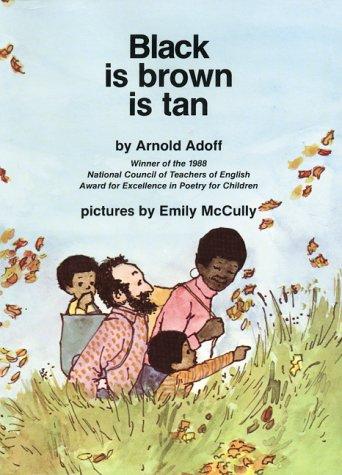
Arnold Adoff’s Black is Brown is Tan, for instance, is allegedly one of the first American picture books to depict an interracial family.
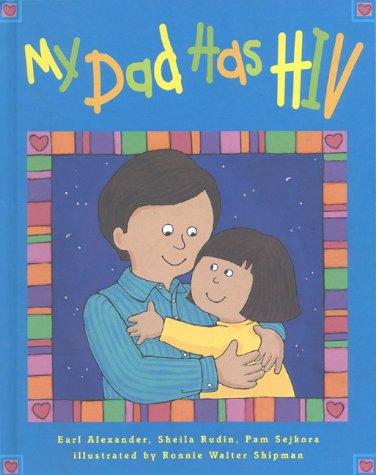
Similarly, the ground-breaking title My Dad Has HIV shows a family navigating marginalized illness. Published in 1996, this book by Earl Alexander, Sheila Rudin, and Pam Sejkora sought to de-stigmatize the HIV/AIDS experience—with a focus on the child’s perspective.
According to Cooper, the new archive is especially valuable for showing how depictions of marginalized families have changed in this century. “A lot of the early books deal with parents who are same-sex, mostly lesbian or gay, who have a child,” he said. But newer titles tend to center “kids who are exploring their identity.”
Storylines also tend to reflect organizing conditions. In the 60s and 70s, books were “not necessarily written by people who studied child development” so much as activists and real parents. This means conflicts can feel sharper, Cooper noted. And “some of the stories are not as affirming as they would be now.”
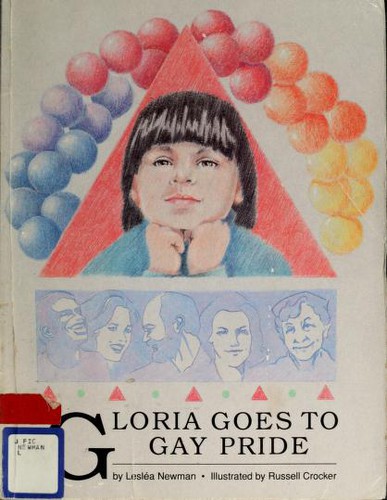
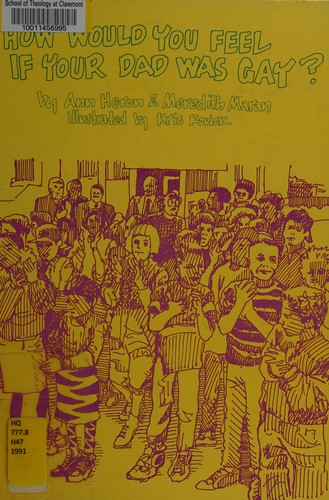
Though a certain stylized, moody illustration style can make even the older entries feel fresh. As in this title, from the queer imprint Alyson Wonderland.
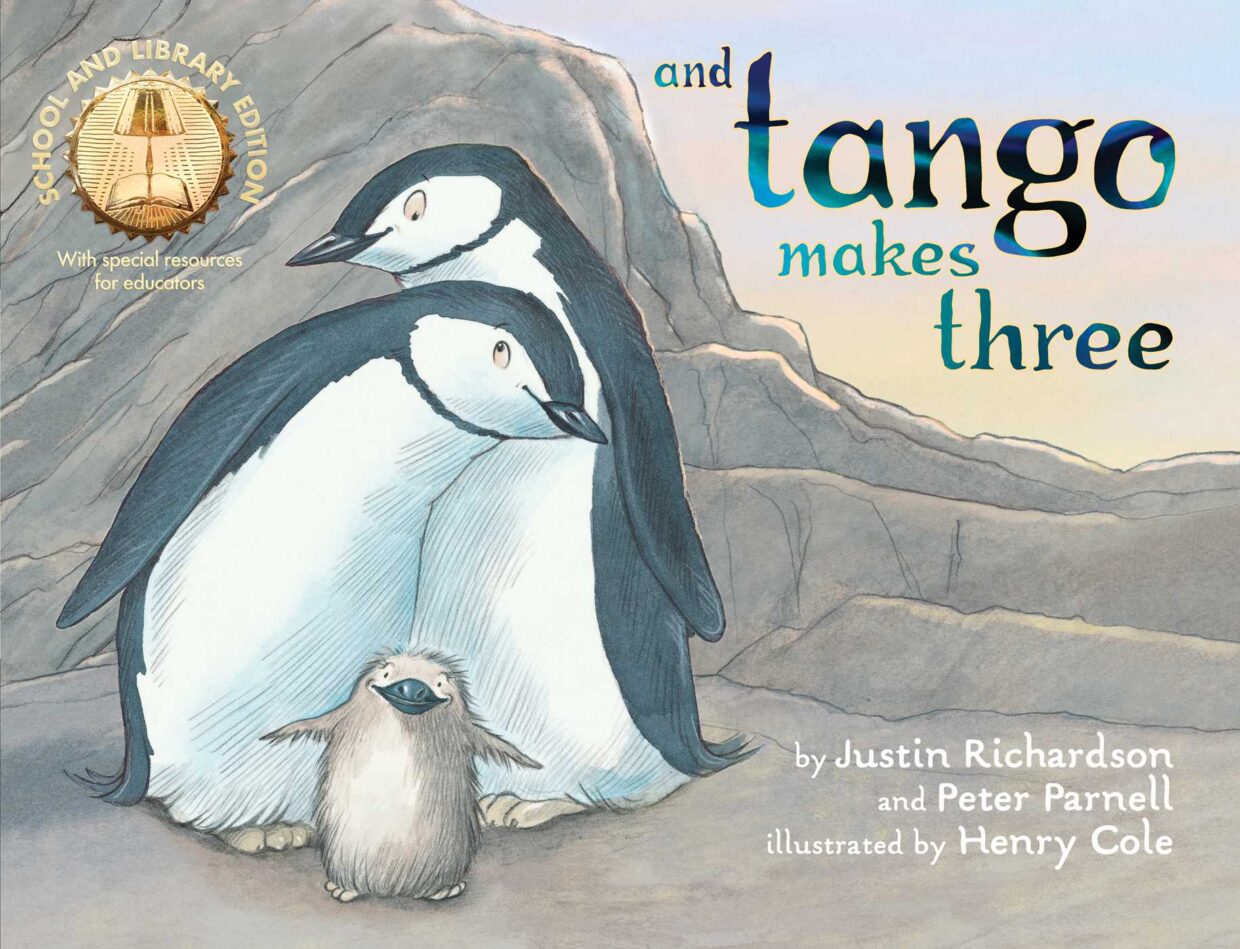
Asked about his own favorite titles in the collection (so far), Cooper cited a modern classic: And Tango Makes Three. Written by Justin Richardson and Peter Parnell and illustrated by Henry Cole, this heartwarming story depicts two gentleman penguins who hatch an egg together.
Cooper, who used to teach second grade at the Harvey Milk Civil Rights Academy, recalls how meaningful this title was for his charges—many of whom had parents in the queer community.
“I remember reading it to the students, and they didn’t even think twice about it. It was just so understood and natural that these two penguins took care of an egg that hatches,” he said.
Cooper hopes the Tarpey-Schwed collection sets a tone for future acquisitions. Especially considering how imperiled books like these are today. Thankfully, because the Institute is an independent library, all titles are safe in its stacks for the foreseeable future. “They won’t be subject to a challenge from a school board, or an advisory committee,” he said. “They’re in a good place.”
And thanks to a bespoke new Discovery Lair, the books are available now for any researcher, student, scholar, or family to explore online.
But to read the books in person, you need to make a good-old-fashioned appointment.